by American Crane | Jun 16, 2026 | Preventative Maintenance
TL;DR Most facilities still operate without crane IoT monitoring, despite growing evidence that connected equipment can reduce downtime, improve maintenance planning, and increase asset performance. If your crane program relies solely on inspections and scheduled...

by American Crane | Jun 2, 2026 | Preventative Maintenance, Crane Safety
If your facility uses overhead cranes, having a reliable overhead crane inspection checklist isn’t optional. There’s a good chance your equipment is being inspected more often than your paperwork is. That’s a problem. When OSHA reviews crane safety programs,...
by American Crane | May 28, 2026 | Manufacturers, Preventative Maintenance
Walk into almost any manufacturing facility today and you’ll see automation everywhere—robotics, connected systems, real-time dashboards. But one area evolving just as quickly, often behind the scenes, is material handling. Cranes are no longer just moving loads from...
by American Crane | Nov 6, 2025 | Preventative Maintenance, Manufacturers, Overhead Equipment
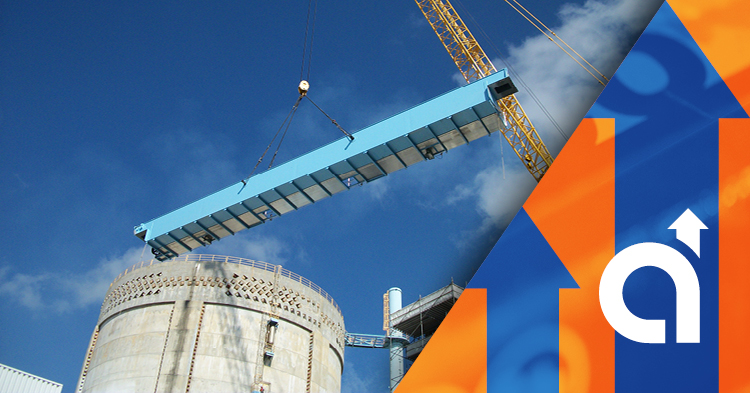
A Guide for Plant Owners, Maintenance Teams & Asset Managers How do you know when it’s time to retire an aging nuclear crane system? For many facilities, the answer comes down to performance, compliance, and cost — and waiting too long can create far bigger...

by American Crane | Sep 16, 2025 | Manufacturers, Preventative Maintenance, Uncategorized
How Predictive Maintenance is Saving Manufacturers Millions Forget the repair scramble. The smartest factories are staying ahead of failure with predictive maintenance. Leveraging data, sensors, and AI, manufacturers are detecting equipment issues before they become...
by American Crane | Jul 24, 2025 | Industry News, Manufacturers, Outage Support for Fossil Power Plants, Overhead Equipment, Preventative Maintenance
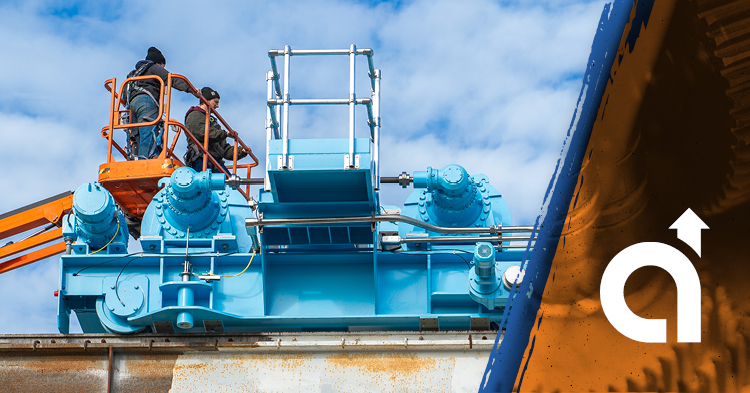
In industries like power generation, manufacturing, chemical processing, and steel production, unexpected crane downtime can have serious consequences. A sudden failure doesn’t just delay operations—it can put workers at risk, lead to missed deadlines, and cause...