

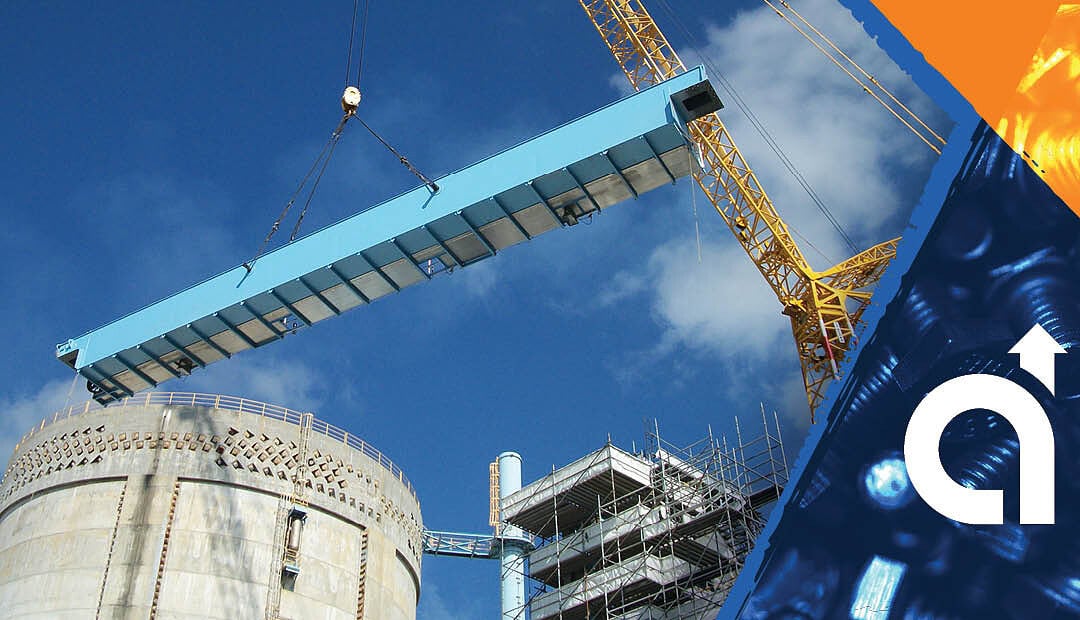
When a nuclear utility begins evaluating crane suppliers, the equipment itself is only part of the decision.
Most proposals will meet the required lift capacity. Most suppliers can point to technical specifications, component lists, and competitive pricing.
The real question is whether a supplier can successfully deliver a crane into one of the most demanding operating environments in the world and support that equipment for decades afterward.
Experienced procurement teams know that’s where projects often succeed or fail.
The Crane Is Only One Part of the Deliverable
One of the biggest misconceptions in nuclear crane equipment procurement is that the finished product is the crane itself.
In reality, the deliverable includes everything required to support that crane throughout its lifecycle: engineering documentation, quality records, material certifications, weld documentation, Factory Acceptance Test (FAT) reports, inspection records, operation and maintenance manuals, and complete drawing packages.
When those items are organized and complete, installation, commissioning, future inspections, and maintenance become far more manageable.
When they’re not, the project rarely gets easier after delivery.
Pay Attention to the Questions the Supplier Asks
Experienced suppliers tend to spend less time talking about what they build and more time learning how your facility operates.
Expect questions about:
- How the crane will actually be used
- Building constraints and available clearances
- Load characteristics and lifting frequency
- Future maintenance access
- Existing equipment the crane must integrate with
- Long-term modernization plans
These conversations often uncover project requirements that aren’t obvious from the specification alone.
In many cases, the most valuable engineering work happens long before fabrication begins.
Evaluate the Nuclear Crane Supplier’s Project Experience
Building nuclear crane equipment and delivering a successful nuclear project aren’t necessarily the same thing.
Nuclear utilities should look beyond product brochures and ask about projects with similar technical complexity. How were engineering reviews managed? What testing was performed before shipment? How were design changes handled? What level of documentation was required?
Past experience doesn’t eliminate project challenges, but it often reduces avoidable ones.
Nuclear Crane Support Beyond Commissioning
A crane purchased today may still be supporting plant operations decades from now.
That’s why experienced procurement teams evaluate lifecycle support alongside the initial proposal.
Questions worth asking include:
- Will replacement parts remain available?
- Can control systems be modernized as technology evolves?
- Is field service available when it’s needed?
- Does the supplier provide inspections, repairs, and engineering support after installation?
The purchase order may close the project administratively, but it’s only the beginning of the equipment’s operational life.
The Best Suppliers Help Reduce Risk Before Manufacturing Begins
Perhaps the clearest difference between suppliers appears during the evaluation process itself.
Some focus on demonstrating that they can meet the specification.
Others work to identify assumptions, clarify requirements, and resolve potential issues before fabrication ever starts.
That proactive approach often prevents schedule delays, change orders, and operational challenges later in the project.
For nuclear utilities, that’s more than good customer service, it’s effective risk management.
Procurement Is About Confidence, Not Just Compliance
Technical compliance is the starting point, not the finish line.
The strongest procurement decisions are built on confidence that a supplier can navigate complex engineering reviews, deliver complete documentation, communicate effectively throughout the project, and provide support long after commissioning.
At American Crane & Equipment Corporation we’ve partnered with nuclear utilities on engineered lifting solutions for decades. Our focus extends beyond manufacturing cranes to helping customers reduce risk, simplify complex projects, and support reliable operations throughout the equipment’s lifecycle.