

If you work in manufacturing in 2026, you don’t need a headline to tell you there’s a workforce challenge. You see it every day. Open positions that take longer to fill. Experienced team members nearing retirement. Projects that require highly specialized skills — and fewer people who have them.
The Skilled Labor Gap Is Real and Growing
The skilled labor shortage isn’t new, but it’s becoming more noticeable. Many of the tradespeople who built today’s industrial infrastructure are stepping into retirement, and there simply aren’t enough trained workers stepping in behind them.
Industry projections suggest the skilled labor gap could approach 30% in the coming years, with millions of positions potentially going unfilled. At the same time, demand for precision engineering, advanced manufacturing, and technical expertise continues to grow.
And the work itself is evolving. Modern manufacturing blends mechanical skill with digital systems, automation, data, and precision controls. The job hasn’t disappeared — it’s just changed.
Changing the Perception of Manufacturing Careers
One of the biggest hurdles isn’t interest. It’s awareness.
Many students and young professionals still picture manufacturing as repetitive or outdated. In reality, today’s facilities are high-tech environments where problem-solving, technology, and hands-on skill come together. A crane technician today may be working with advanced controls, diagnostics software, engineered lift systems, and digital monitoring tools that require both mechanical understanding and technical confidence.
The opportunity is there. The challenge is making sure the next generation sees it.
Training Over Waiting
So what’s the solution?
For many organizations, it starts with training — not just hiring. Instead of waiting for the “perfect candidate” to apply, companies are building the skills they need internally.
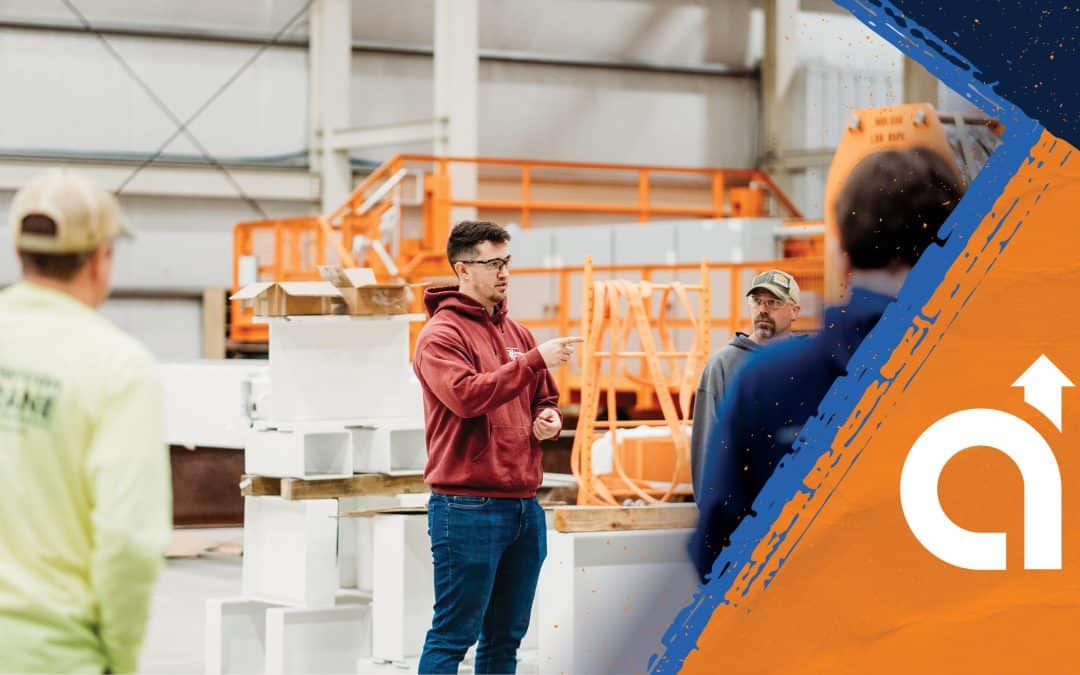
Cross-training employees. Creating apprenticeship pathways. Pairing seasoned professionals with newer team members to pass along practical knowledge before it walks out the door. The goal isn’t just to fill roles. It’s to build capability that lasts.
Experts increasingly emphasize that workforce strategy shouldn’t sit in a silo. Training, technology adoption, and operational planning need to work together. When companies align workforce development with real production needs, they create a much stronger foundation for growth.
Technology as a Tool, Not a Replacement
Technology is also stepping into a more practical role in 2026. AI and automation are moving beyond buzzwords and pilot programs. Manufacturers are using them in real production environments — automating repetitive tasks, improving scheduling, enhancing quality checks, and supporting faster decision-making.
But here’s the key: technology works best when it supports people.
Automation can reduce manual strain. Remote monitoring can help teams diagnose issues faster. Digital documentation improves consistency and knowledge sharing. Instead of replacing skilled workers, these tools allow them to focus on higher-level troubleshooting, planning, and safety. In a tight labor market, that efficiency matters.
Economic Pressures and Smarter Workforce Planning
Workforce challenges aren’t happening in isolation. Economic uncertainty, supply chain shifts, and reshoring efforts are also shaping manufacturing strategy in 2026.
As more companies look to bring production closer to home, demand for skilled technical workers increases. That makes workforce planning even more important. Organizations can’t rely on reactive hiring alone — they need proactive development strategies that prepare teams for both steady growth and unexpected demand spikes.
A balanced approach helps. Build internal talent, recruit strategically for specialized expertise and leverage temporary or contract support when necessary. Flexibility is becoming just as important as skill.
Investing in People Is the Real Solution
Workforce challenges in 2026 are real. The skilled labor gap is significant, technology is evolving quickly and economic pressures add another layer of complexity. But none of it is insurmountable.
With practical training programs, thoughtful adoption of technology, and strong partnerships with trade schools and workforce development organizations, manufacturers can adapt and grow.
At the end of the day, cranes don’t engineer themselves, equipment doesn’t install itself and complex lifting systems don’t maintain themselves.
The future of manufacturing depends on people — skilled, supported, and continually learning. And that’s where the real investment begins.
At American Crane, we see these workforce shifts firsthand. As a company built on engineered lifting solutions, we know that precision, safety, and reliability start with skilled people. That is why we continue to invest in hands-on training, mentorship, and technical development across our team. By combining experienced craftsmanship with modern technology and forward-thinking workforce strategies, we are not just responding to the labor gap — we are actively building the next generation of crane professionals who will keep critical industries moving safely and efficiently.