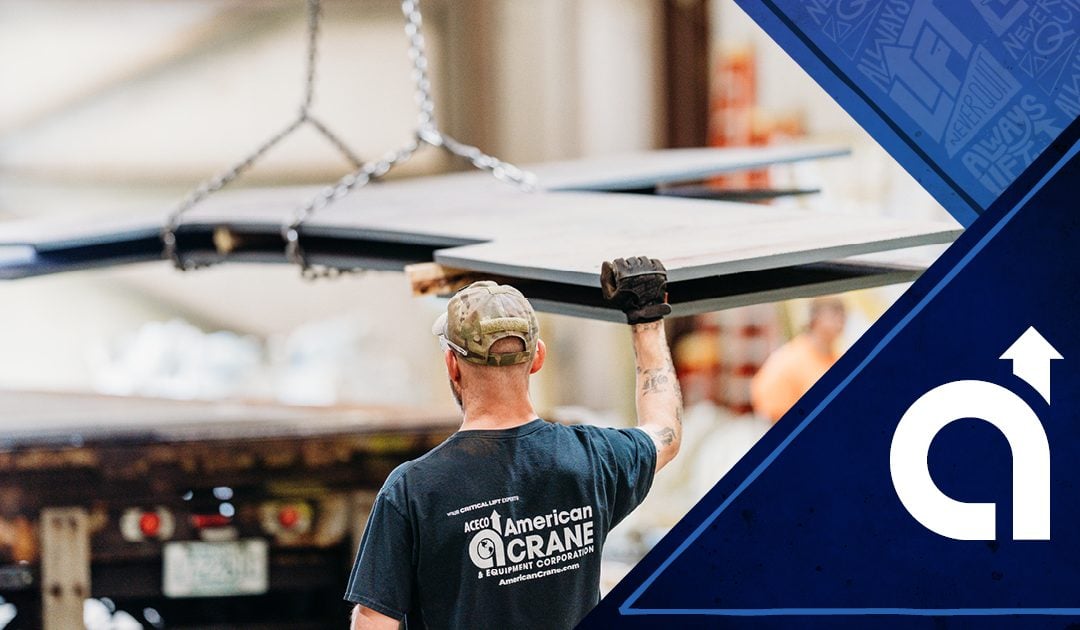
Material handling rarely gets the spotlight in manufacturing strategy meetings, yet it influences nearly every aspect of daily operations. How materials move — and how confidently they move — affects not only throughput, but the physical well-being of the people on the floor.
In many facilities, lifting systems are added over time as production expands. A standard crane is installed to solve an immediate need. A hoist is upgraded to carry additional weight. A workstation is repositioned to accommodate new equipment. Individually, these adjustments make sense. Collectively, they can create inefficiencies that slowly become part of the routine.
Custom material handling solutions take a different approach. Instead of asking operators to adapt to equipment constraints, the system is engineered around the workflow itself.
When a crane is designed specifically for the loads it will handle and the space it must operate within, movement becomes more controlled and consistent. Travel speeds, lift heights, runway placement, and control systems are selected with intention. Clearances are calculated. Load paths are evaluated. The goal is not simply to lift, but to lift in a way that supports how work is actually performed.
That alignment has a direct impact on safety. Equipment that fits its environment reduces the likelihood of awkward positioning, unnecessary manual intervention, and strain-related injuries. Purpose-built below-the-hook devices can secure complex or irregular loads more effectively than generic rigging solutions. Integrated features such as overload protection, soft starts, and precise braking improve stability without slowing production.
Productivity benefits follow naturally. When material flow supports the layout of the facility, transitions between workstations become smoother. Operators spend less time adjusting loads and more time completing value-added tasks. Equipment operates within its intended capacity, which reduces wear and unplanned downtime. Over time, these improvements contribute to more predictable output and stronger operational performance.
Custom solutions also provide an opportunity to think beyond current demand. Facilities evolve. Production volumes increase. Product dimensions change. Designing material handling systems with future flexibility in mind can reduce the need for disruptive modifications later on.
At American Crane & Equipment Corporation, custom material handling begins with understanding the environment — not just the load weight, but the workflow, the safety priorities, and the long-term objectives of the operation. Engineering decisions are made with those realities in view.
When lifting equipment is built to support the way a facility truly operates, safety and productivity are no longer competing priorities. They become part of the same solution.