

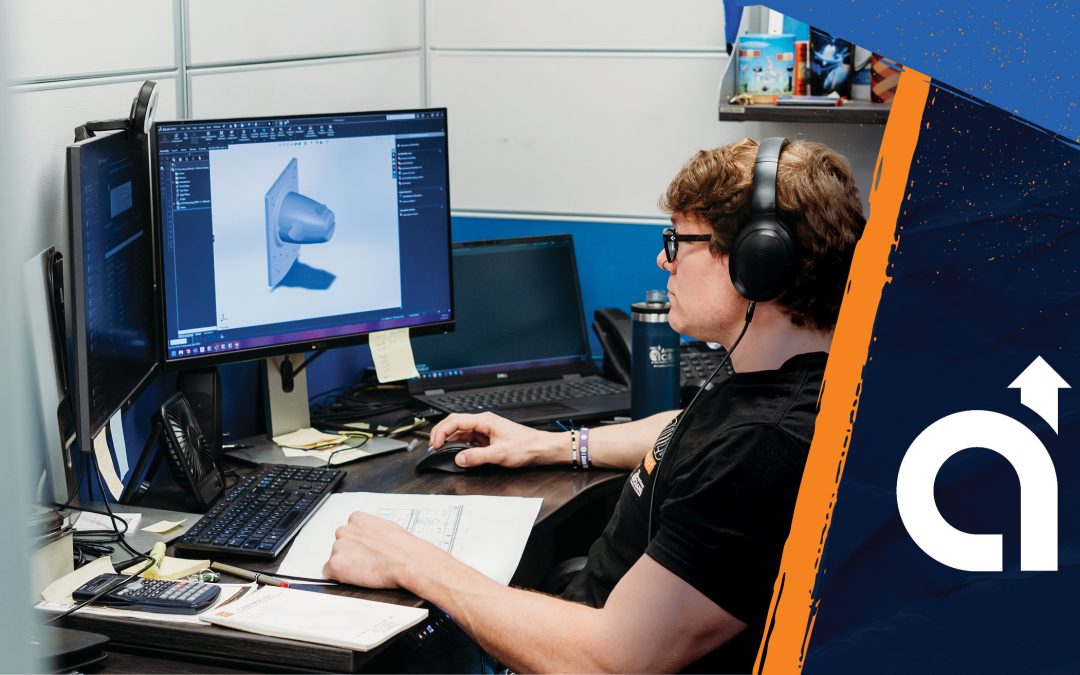
Every custom crane starts with a simple idea: solve a lifting challenge that standard equipment can’t fully address. From there, the engineering process becomes a collaborative, highly detailed journey that balances performance, safety, and real-world constraints. Designing a custom crane isn’t about reinventing lifting—it’s about refining it to fit a specific environment, application, and operational goal.
Understanding the Application First
The engineering process begins with listening. Engineers work closely with customers to understand how the crane will be used, what it needs to lift, where it will operate, and the conditions it must withstand. Load characteristics, lift paths, duty cycles, headroom limitations, floor loading, and surrounding equipment all shape the design.
Equally important is understanding what doesn’t work with off-the-shelf solutions. These gaps often reveal opportunities for smarter configurations, specialized components, or structural modifications that improve efficiency and safety.
Site Conditions and Constraints
No two facilities are exactly alike. Ceiling heights, support steel, seismic considerations, environmental exposure, and space limitations all influence the engineering approach. Engineers evaluate these factors early to ensure the crane integrates seamlessly into the facility without creating downstream challenges.
This stage often includes reviewing drawings, conducting site visits, and coordinating with facility engineers or contractors. The goal is to design a crane that fits the space as naturally as it fits the application.
Structural and Mechanical Design
Once requirements are defined, engineers move into detailed structural and mechanical design. This includes selecting materials, sizing beams and components, and determining load paths to ensure strength and durability under expected operating conditions.
Finite element analysis (FEA) and other engineering tools are commonly used to validate designs and confirm that stresses, deflection, and fatigue life remain within acceptable limits. Mechanical systems—such as hoists, trolleys, drives, and braking systems—are chosen to match performance needs while maintaining reliability and serviceability.
Codes, Standards, and Safety
Custom does not mean unconventional when it comes to safety. Every crane design must comply with applicable industry standards and regulations, such as CMAA, ASME, and OSHA requirements. Engineers carefully incorporate these standards into the design process, ensuring the crane meets or exceeds all safety expectations.
Redundancy, load control, and ease of inspection are often built into the design to support long-term safe operation.
Collaboration Through Manufacturing and Installation
Engineering doesn’t stop once drawings are complete. Engineers remain involved through fabrication, assembly, and installation, working closely with manufacturing teams to ensure designs are executed as intended. Adjustments are sometimes made to optimize fabrication efficiency or accommodate field conditions—without compromising performance.
This continuity helps ensure the final crane performs exactly as engineered, from first lift to years of operation.
A Purpose-Built Solution
At its core, the engineering process behind a custom crane is about alignment—aligning technical expertise with real operational needs. The result is a lifting solution designed not just to work, but to work well within its specific environment, supporting productivity, safety, and long-term value.
When standard lifting solutions fall short, a custom approach can make all the difference. If you’re interested in learning more about custom crane design, reach out to American Crane and Equipment Corporation to start the conversation.