

Progress in manufacturing doesn’t happen all at once. It builds over time, in who enters the field, who advances and how teams evolve to meet the demands of the work.
That’s part of what made Artemis II notable from an industry standpoint. Alongside the technical achievement, the mission marked a milestone: it included the first woman to travel beyond low Earth orbit. It was a visible moment, but it reflected a broader shift already underway across industries like manufacturing. Because progress at that level is built long before a launch ever happens.
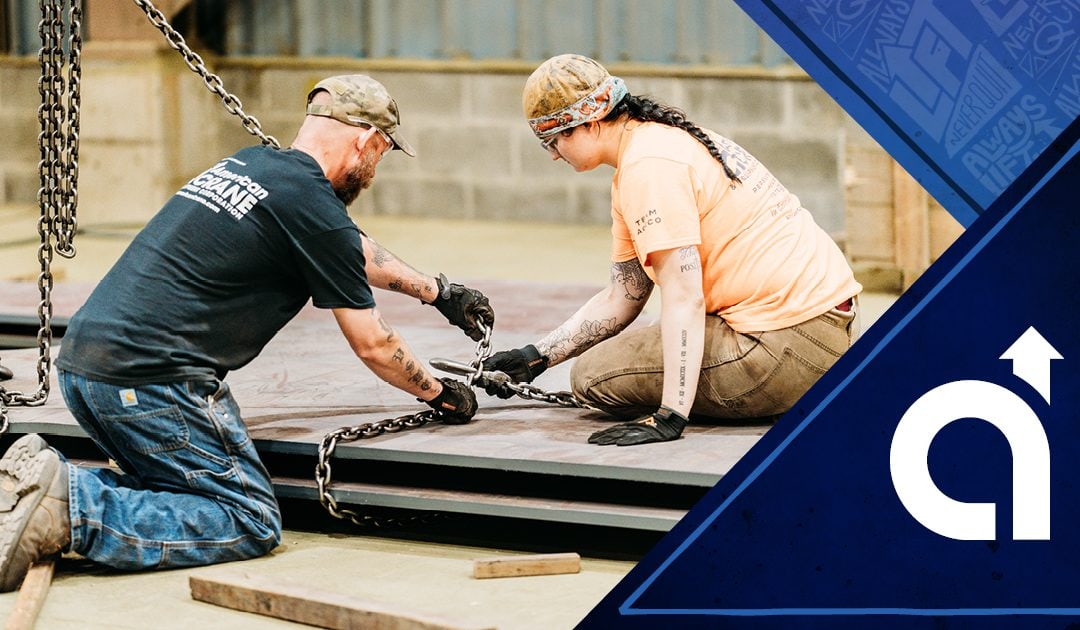
Across manufacturing, more women are entering roles that were historically harder to access—skilled trades, equipment operation, production leadership, and engineering. But breaking barriers in this context isn’t just about entry. It’s about building experience over time, advancing into positions of responsibility, and contributing at a level where decisions impact outcomes. That distinction matters in environments with little room for variation. Teams are managing tighter tolerances, more integrated systems, and processes that demand precision and coordination. In that environment, results come down to capability—having the right people in place who can execute under real-world conditions.
Expanding access to manufacturing careers directly supports that. When more individuals are able to enter and grow within the field, the talent pool deepens. Teams gain a broader range of experience, which strengthens problem-solving and improves day-to-day execution. That’s not theoretical. It shows up in how work gets done, from maintaining quality standards to managing complex builds across multiple stages.
Removing barriers also strengthens long-term stability. Retention improves when clear paths exist for development and advancement. Knowledge stays within teams. Skills compound over time. For manufacturers, that continuity has a direct impact on performance.
There’s also a pipeline effect. Early exposure through education, outreach, and real visibility into manufacturing careers, changes how the next generation engages with the industry. When students can see viable paths into skilled roles and leadership positions, participation increases. Over time, that builds a workforce better equipped to handle the complexity modern manufacturing requires.
At American Crane & Equipment Corporation, this is something we’ve seen firsthand. As a women-owned company, we understand that strong teams are built intentionally—through mentorship, training, and creating opportunities for long-term growth. That investment doesn’t just support individuals; it strengthens the consistency and reliability our customers depend on.
The milestone tied to Artemis II was a clear signal of progress. But the more meaningful takeaway is what it represents on the ground. The same shift that made that moment possible—expanded access, stronger development pathways, and broader participation—is already improving how manufacturing operates every day.
And in an industry where execution matters, that’s a change that carries real weight.