

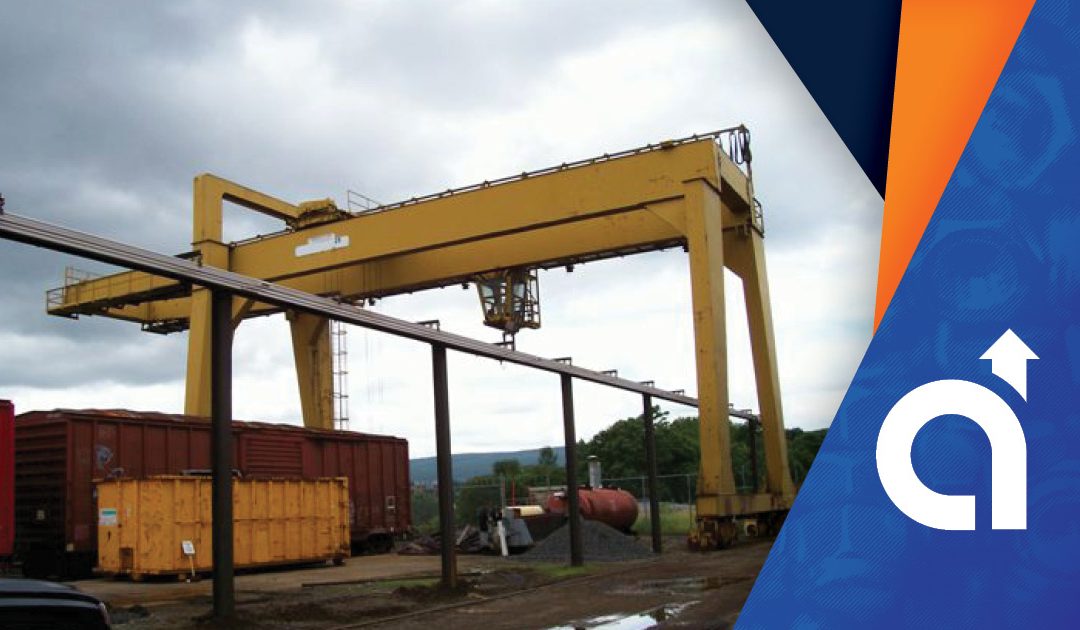
1. Electrical & Control System Upgrades
- Replace old contactor controls with modern variable frequency drives (VFDs) for smoother acceleration/deceleration and reduced mechanical stress.
- Upgrade wiring and insulation to meet modern NEC requirements.
- Add radio remote controls or pendant stations with ergonomic design and emergency stop features.
- Integrate programmable logic controllers (PLCs) for diagnostics and automation.
2. Safety Enhancements
- Limit switches: Upgrade or install new upper/lower hoist limit switches and travel limit switches to prevent over-travel.
- Emergency stop systems: Ensure compliance with current OSHA/ANSI requirements.
- Overload protection: Install load monitoring devices or electronic load cells.
- Anti-collision devices: Especially important in facilities with multiple cranes operating on the same runway.
3. Mechanical Upgrades
- Hoist modernization: Replace older hoists with modern, high-duty cycle units.
- Braking systems: Upgrade to DC disc brakes or fail-safe spring-set brakes.
- Wire ropes and sheaves: Replace with modern high-strength materials that meet current standards.
- End trucks and wheels: Retrofit with forged steel wheels and improved bearings.
4. Structural Integrity & Inspections
- Conduct structural analysis of girders, runways, and end trucks to ensure compliance with today’s load ratings.
- Reinforce or replace worn runway beams and connections.
- Implement nondestructive testing (NDT) for welds and critical components.
5. Monitoring & Automation
- Install condition monitoring systems (e.g., vibration, motor temperature, brake wear sensors).
- Add data logging to track crane usage and maintenance needs.
- Integrate with facility automation systems for smart operations.
6. Compliance with Updated Standards
Even if a crane was originally built to ANSI B30.2, newer versions of the ASME B30 series and OSHA 1910.179 introduce stricter requirements for:
- Maintenance procedures
- Operator qualifications
- Fall protection anchorage points
- Clear labeling and signage
In short:
The most critical upgrades for ANSI B30.2 cranes are modern controls (VFDs, PLCs), improved safety systems (limit switches, overload protection, anti-collision), mechanical modernization (brakes, hoists), and compliance with updated OSHA/ASME standards.
Overhead Crane Modernization & Upgrade Checklist
(Based on ANSI B30.2, ASME B30 series, and OSHA 1910.179)
1. Electrical & Controls
- Replace outdated contactor controls with Variable Frequency Drives (VFDs)
- Verify wiring and insulation meet current NEC standards
- Install/upgrade radio remote or ergonomic pendant control with E-stop
- Add programmable logic controller (PLC) for diagnostics & automation
2. Safety Systems
- Inspect/upgrade hoist upper & lower limit switches
- Verify bridge & trolley travel limit switches
- Add/upgrade emergency stop circuits
- Install overload protection/load monitoring devices
- Implement anti-collision system (for multiple cranes on same runway)
3. Mechanical Components
- Replace/upgrade hoist with modern high-duty cycle unit
- Inspect & upgrade braking systems (DC disc/fail-safe brakes)
- Replace wire ropes, hooks, and sheaves with high-strength rated components
- Inspect/upgrade end trucks, wheels, and bearings
4. Structural Integrity
- Perform structural analysis of girders, runways, and end trucks
- Conduct nondestructive testing (NDT) on welds & critical load points
- Reinforce or replace worn runway beams and connections
- Ensure rail alignment and proper fastening
5. Monitoring & Automation
- Install condition monitoring sensors (vibration, temperature, brake wear)
- Enable data logging for usage and load cycles
- Integrate crane system into facility automation/maintenance tracking
6. Compliance & Documentation
- Confirm compliance with latest ASME B30 updates
- Ensure OSHA 1910.179 requirements are met (inspection, labeling, operator safety)
- Add fall protection anchorage points where required
- Update safety signage and load rating plates
- Maintain inspection & maintenance records
Tip:
Use this checklist during annual inspections or when planning modernization projects. Items can be prioritized as critical (safety/OSHA compliance), high priority (downtime reduction), or long-term improvements (automation & monitoring).