

From Manual to Autonomous: How Material Handling Equipment Is Transforming the Factory Floor
Factories are changing—and fast. As production demands rise and labor challenges continue across the manufacturing sector, plants are relying more heavily on automation to move materials safely, efficiently, and consistently. The shift from manual handling to autonomous systems isn’t a futuristic idea anymore; it’s happening right now on factory floors of every size.
Here’s what’s driving this transformation and why more manufacturers are embracing it.
Why Manufacturers Are Moving Beyond Manual Workflows
For decades, material handling depended on operators—forklifts, pallet jacks, overhead cranes, and carts managed almost entirely by human skill. That experience remains essential, but many facilities are now feeling pressure from several directions, including ongoing labor shortages, increasingly complex production schedules, stricter safety expectations, and rising demand for greater throughput and consistency.
Manual handling still has its place, but it also introduces variability, physical strain, and operational bottlenecks. Autonomous systems help close those gaps by making material movement more predictable, repeatable, and controlled.
The Rise of Autonomous and Semi-Autonomous Equipment
What’s changed today is the accessibility and reliability of automation. Advances in sensors, robotics, and intelligent control systems have led to a new generation of technologies that integrate seamlessly with overhead lifting operations. Smart hoists and cranes offer automatic positioning, sway control, and programmable lift paths. Robotic lift-assist devices support ergonomic handling and reduce physical strain on operators. And technologies like AGVs and AMRs now move materials to and from crane loading zones with consistent timing, improving flow across the factory floor.
For most facilities, these technologies don’t replace people—they support workers by handling the repetitive, heavy, or higher-risk tasks.
How Autonomous Systems Transform Daily Operations
Autonomous and semi-autonomous material handling brings several advantages to modern production environments:
- Improved Safety
Removing high-risk manual movements dramatically reduces accidents and strain injuries. Autonomous lifts and vehicles maintain consistent speeds, avoid hazards, and follow programmed routes that keep workers safe.
- Predictable, Repeatable Workflow
Automation eliminates the variations caused by shift changes, operator fatigue, or inconsistent experience levels. Materials arrive exactly where and when they’re needed, helping lines stay balanced.
- Reduced Downtime
Built-in diagnostics and real-time monitoring allow equipment to signal issues before they escalate. In overhead lifting applications, smart hoists can automatically adjust speeds, reduce sway, and position loads with precision that minimizes delays and rework.
- Better Use of Labor
With repetitive or physically taxing movements off their plate, workers can focus on inspections, quality control, system oversight, or specialized tasks that add more value.
Modernization: The Bridge Between Manual and Autonomous
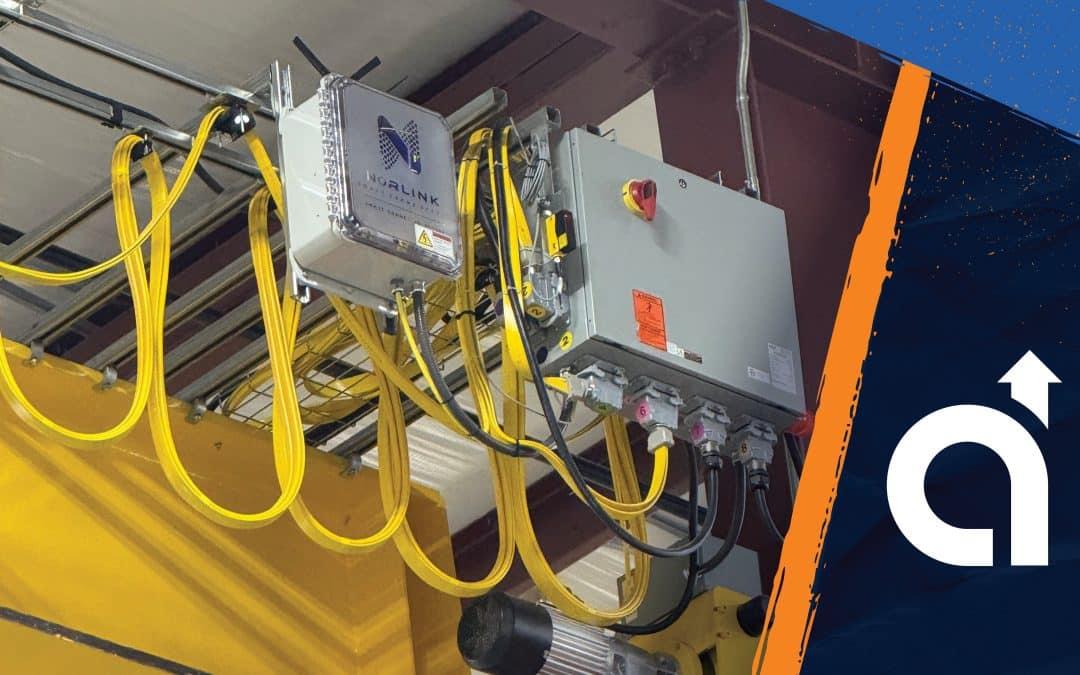
One of the biggest advantages for manufacturers is that they don’t need to replace entire systems to adopt automation. Modernization packages—upgraded controls, new drives, enhanced safety systems, smart load monitoring, and improved electrics—allow existing cranes and hoists to integrate automation features without major structural changes.
This approach is cost-effective, extends asset life, and offers meaningful performance improvements with limited disruption.
The Role of Experienced Engineering Partners
Transitioning to autonomous or semi-autonomous material handling requires thoughtful evaluation of current workflows and equipment conditions. From mapping material routes to assessing crane structures and control systems, knowledgeable engineering support makes all the difference.
At American Crane & Equipment Corporation, our team helps manufacturers understand their options, choose the right level of automation, and implement upgrades that strengthen safety and productivity.
A Smarter, Safer, More Efficient Factory Floor
The move from manual to autonomous material handling isn’t a trend—it’s a fundamental evolution in how factories operate. Plants that embrace automation now are positioning themselves for stronger throughput, fewer operational disruptions, and safer, more ergonomic work environments for their teams.